The fight against the maternal mortality rate, especially among minorities, has a new ally at Liberty Regional Medical Center.
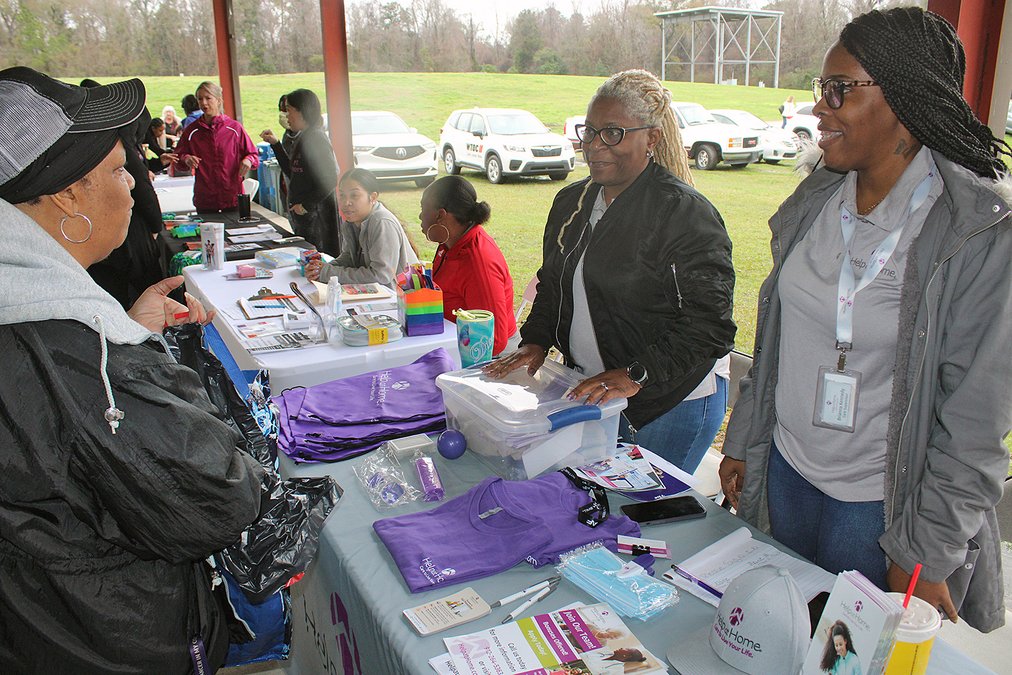
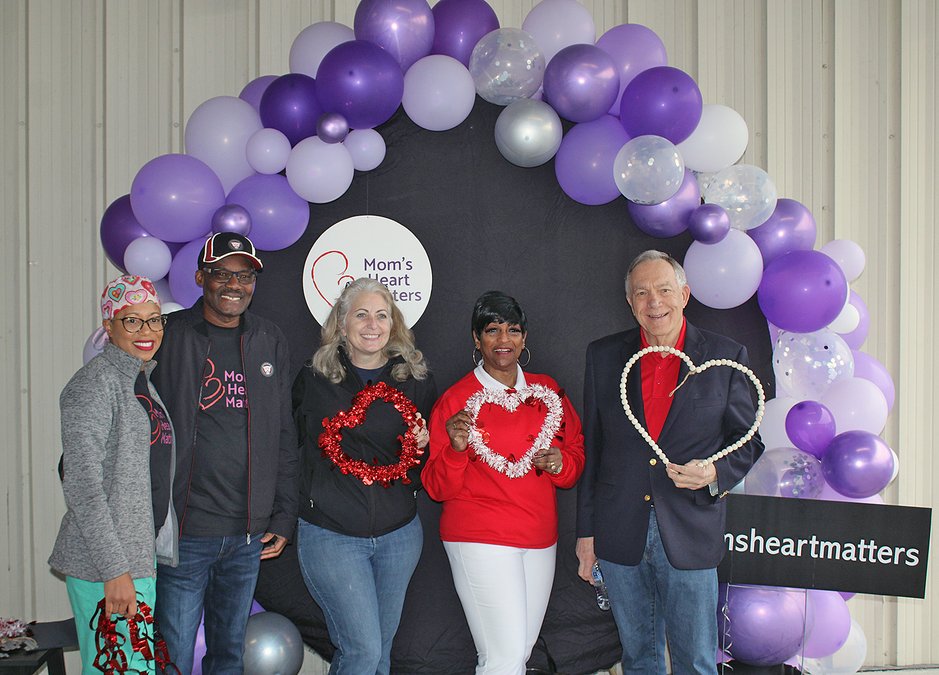
The hospital unveiled its Mom’s Heart Matters, an effort designed to make sure new moms are taking care of their own health, especially their heart.
“Our aim is to cut back on the mortality, especially affecting minority populations,” said Dr. Seth Borquaye, a Hinesville OBGYN.
Liberty Regional is one of only two critical access hospitals providing obstetric care. In the last decade, eight rural hospitals have closed and 12 have closed have their OB units.
“At Liberty Regional, we don’t run away from problems — we run toward them to try to make a difference,” CEO Tammy Mims said.
Nationally, there were 16.9 deaths per 100,000 live births in 2016, according to the Centers for Disease Control and Prevention. The numbers are even worse in Georgia — and those numbers are even higher for Black women. The overall rate in Georgia in 2016 was 37.2 deaths per 100,000 live births, nearly double the national average.
Across the nation, the average maternal mortality rate for Black women is 47.2 per 100,000 live births. In Georgia, the number leaps to 66 per 100,000 live births, according to georgiabirth. org.
“The numbers are significantly higher in rural Georgia and in our minority communities,” said Dr. Dean Burke, chief medical officer for the state Department of Community Health. “It embarrasses me that we have moms dying from having a baby.” As the state boasts its longstanding spot as the No. 1 state in which to do business, state Rep. Al Williams said it needs to do more.
“To our best place to do business, we’ve got to add best place to live,” he said. ”And we can’t be the best place if we don’t have great health care.”
Mom’s Heart Matters is funded by Amerigroup and the Annie E. Casey Foundation and has several other partners, including Family Connection, the Morehouse School of Medicine and the Georgia OBGYN Society.
Mom’s Heart Matters is a pilot program, and Dr. Burke said the state is watching to see if it can duplicated elsewhere.
“I am thrilled this is going on in a small town in southeast Georgia,” he said. “We’ve got a lot of work, but this is what is going to fix the problem.”
Moms who give birth at LRMC and are eligible for the program will get a water bottle, a blood pressure cuff, a pill bottle and a plate that shows healthy portions and healthy choices.
They also can download an app that connects their blood pressure reading to medical professionals.
“We can monitor that blood pressure and we can diagnose things early and we can intervene early,” Dr. Keisha Callins, the initiative’s clinical director, said. “We can start the appropriate therapies that are needed.”
Mothers also are set up with appointments with a cardiologist after they give birth.
“Now we have a team in place to take care of these people,” Dr. Borquaye said.
Seventy percent of Dr. Borquaye’s patients are Black women, and most of them are young, he said.
“This affects the African- American population disproportionately,” he said of maternal mortality.
Burke served in the state Senate from Bainbridge for 10 years before being tapped by Gov. Brian Kemp for his new post, “This problem is so important to all of the policy makers in Atlanta,” Burke said. “Every year, we did a little more and a little more to engage the public in this serious, serious problem of too many deaths in Georgia related to pregnancy.
With this kind of effort, Dr. Callins believes the maternal mortality in Georgia will start to decline.
“I really think that is going to change,” Dr. Callins said. “We have the support, we have the commitment, we have the partnerships in place.